Location: Home > Porducts > PP/PE/TPO Keder
PP, PE and TPO Keder for Material-Compatible Fabric Systems
Non-PVC keder options developed around polypropylene, polyethylene or thermoplastic polyolefin material strategies for banners, covers, tents and industrial fabric products.
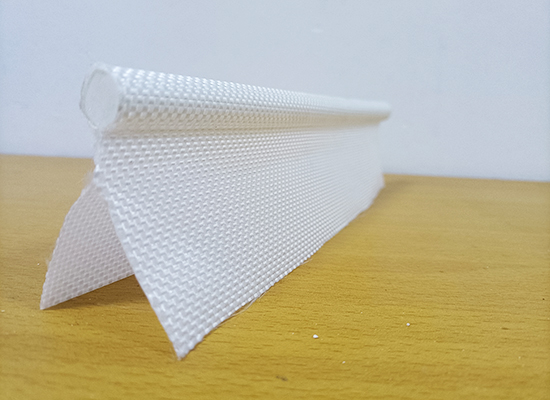
PP, PE and TPO keder provide alternatives to conventional PVC keder where a manufacturer wants to align the keder with a non-PVC fabric system, simplify a material family or evaluate an end-of-life strategy.
The resin name alone does not determine the performance or recyclability of the finished product. Core, fabric, coating, bonding layer, thread, reinforcement, labels, contamination and the available collection route all affect the complete construction.
Use this page to compare the three material categories, then open the individual material page for more detailed project questions.
Key Advantages
Typical Applications
Potential applications include billboard and display banners, tarpaulins, tents and marquees, canopies, membrane structures, industrial curtains, flexible covers and custom textile assemblies.
Material choice should reflect the complete product, the fabricator's equipment, required joining process, temperature range, handling, exposure, rail design and end-of-life plan.
How to Choose Between PP, PE and TPO
1.Identify the main fabric, coating and reinforcement materials in the finished product.
2.Define the joining process and equipment available to the fabricator.
3.Confirm rail dimensions, target keder geometry and installation conditions.
4.State the performance, regulatory and end-of-life objectives for the complete assembly.
5.Prototype and test the material stack before approving production.
Custom Development and Validation
Kedermaker can review non-PVC core and fabric combinations, profile dimensions, flap geometry, colour and packaging. Material availability and processing feasibility depend on the target specification and order requirements.
A compatibility programme may include sample extrusion or profile selection, bonding or welding trials, rail-fit checks and finished-panel evaluation. Required test methods and acceptance limits should be supplied by the customer or agreed before development.
What to Send for a Quote
Related Products and Resources